10 min read
Equipment failures cost manufacturers billions annually, but a comprehensive predictive maintenance software review can stop breakdowns before they start. Instead of waiting for a motor to burn out, modern solutions allow you to monitor vibration and temperature data in real time, enabling repairs during planned downtime. With the International Society of Automation (ISA) emphasizing that adhering to standards like ISA/IEC 62443 is critical for securing industrial data streams, choosing the right tool is more vital than ever.
This guide cuts through the marketing hype to evaluate six leading platforms, showing you exactly how tools like AWS IoT SiteWise and PTC ThingWorx handle asset modeling differently. We move beyond generic advice to reveal which options fit your specific budget constraints and demonstrate precisely how these systems integrate with your existing PLCs.
What Is Predictive Maintenance Software?
Last updated: April 21, 2026
Predictive maintenance software uses real-time sensor data to forecast equipment failures before they happen.
Unlike scheduled checks, this technology analyzes vibration, temperature, and pressure trends to pinpoint exact repair needs.
You stop guessing when a machine will fail and instead act on concrete digital evidence.
McKinsey reports that predictive maintenance reduces machine downtime by 30% compared to traditional methods.
These tools transform raw industrial data into actionable work orders for your maintenance team.
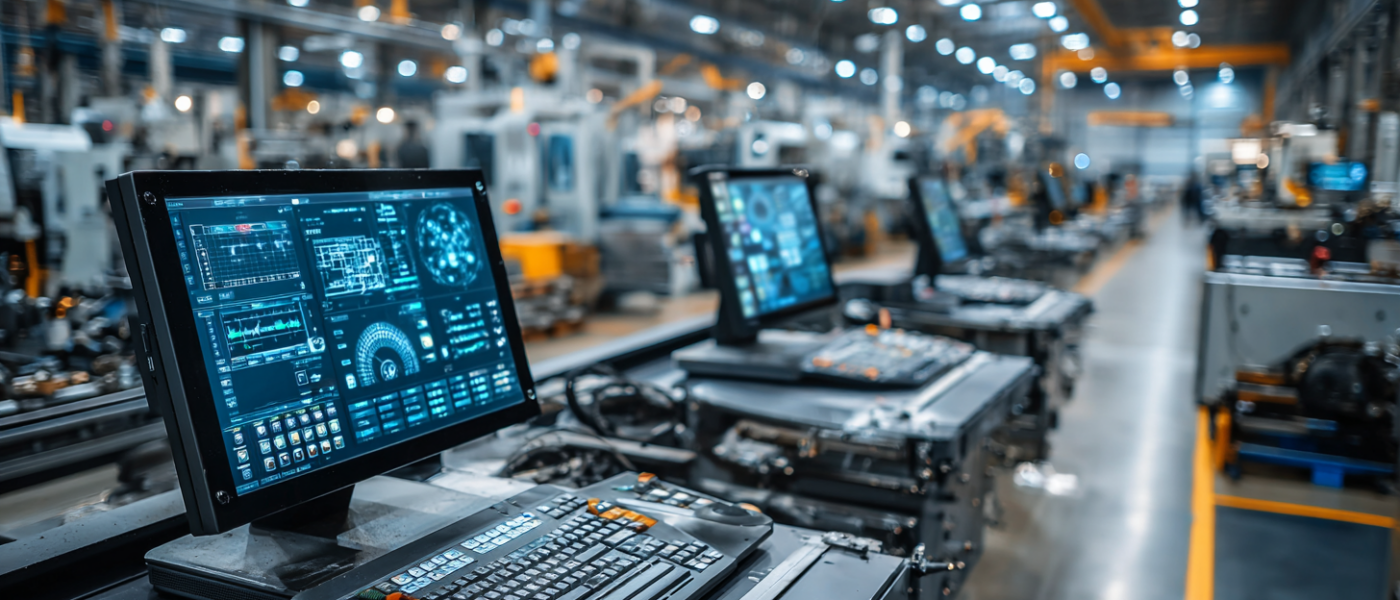
Consider how Siemens Insights Hub turns complex sensor streams into clear visual dashboards for operators.
The benefits extend far beyond simple breakdown prevention for your entire production line.
- Reduce unplanned downtime by detecting early warning signs in critical motors.
- Extend asset life by optimizing lubrication and tightening schedules based on actual usage.
- Cut spare parts inventory costs by ordering components only when failure probability rises.
GE Digital notes that organizations using these systems achieve a 20% increase in overall equipment effectiveness.
You gain a unified view of your operations without integrating every legacy machine manually.
This approach shifts your strategy from reactive fixes to proactive asset management.
The next section explores how these platforms connect to your existing PLCs and SCADA systems.
How Does Predictive Maintenance Software Work?
Predictive maintenance software collects sensor data, applies machine learning models, and forecasts specific equipment failures before they occur.
The mechanism begins with Industrial IoT sensors streaming vibration and temperature data to a central platform.
According to NIST, Smart Manufacturing systems require secure data exchange standards like OPC UA to ensure reliable information flow.
Without this standardized foundation, your predictive maintenance technology cannot accurately correlate sensor readings with historical failure modes.
Once data arrives, the software analyzes patterns to detect subtle anomalies indicating early wear.
Deloitte reports that 78% of manufacturers now allocate over 20% of their improvement budget to these smart initiatives.
This investment drives adoption of advanced analytics tools capable of processing millions of data points daily.
Consider how AWS IoT SiteWise automatically models assets and ingests messages at a cost of roughly $0.00042 per message.
What Are the Key Features of Predictive Maintenance Software?
Get articles like this in your inbox every week.
Core predictive maintenance software features include real-time sensor analytics, automated asset modeling, and AI-driven failure forecasting.
According to Deloitte, 92% of manufacturers view smart manufacturing as their primary competitiveness driver.
This shift forces you to prioritize tools that integrate seamlessly with existing operational technology.
Specific features vary significantly between platforms like PTC ThingWorx and AWS IoT SiteWise.
ThingWorx offers a drag-and-drop Mashup Builder for rapid application development without deep coding.
AWS IoT SiteWise provides automatic asset modeling and three-tiered storage for massive data volumes.
You must compare these distinct capabilities against your specific factory infrastructure needs.
According to NIST, secure data exchange from sensors to cloud requires strict adherence to IEC 62443 standards.
Top software solutions embed these cybersecurity requirements directly into their core architecture.
- Real-time vibration and temperature monitoring alerts operators before thermal runaway occurs.
- Automated work order generation sends repair tickets directly to your CMMS upon threshold breach.
- Digital twin visualization simulates equipment stress under different production loads instantly.
Missing any of these features often leads to delayed responses and costly unplanned downtime events.
Investing in comprehensive feature sets reduces maintenance costs by targeting only necessary interventions.
Next, we examine how to calculate the actual return on investment for these tools.
How to Choose the Best Predictive Maintenance Software?
Selecting the right predictive maintenance software requires aligning rigorous security protocols with your specific asset monitoring requirements.
Begin by validating cybersecurity compliance for your industrial control systems to protect critical infrastructure.
The ISA/IEC 62443 standard defines essential cybersecurity requirements for industrial automation across the entire operational lifecycle.
Unaddressed security vulnerabilities frequently leave production lines exposed to ransomware and operational disruption.
Next, ensure your chosen platform supports the OPC UA standard for robust data exchange.
The OPC Foundation’s OPC UA protocol guarantees secure, reliable, and platform-independent communication from edge sensors to the cloud.
Lacking this standard often prevents new sensors from integrating with legacy PLCs, creating data silos.
Verify that the platform offers automated asset modeling to significantly reduce initial setup time.
Solutions like AWS IoT SiteWise provide fully managed services featuring automatic asset modeling and tiered storage architectures.
This capability eliminates manual configuration errors that typically plague initial deployment phases.
Finally, calculate the total cost of ownership, factoring in necessary edge hardware investments.
Many manufacturers now dedicate a substantial portion of their improvement budgets to smart manufacturing initiatives.
Ensure your financial planning covers the edge gateways required for real-time data processing.
Use this checklist to validate your shortlist before finalizing any vendor contracts.
- Verify OPC UA compliance for seamless sensor integration.
- Confirm ISA/IEC 62443 cybersecurity certifications are current.
- Check for automated asset modeling to accelerate deployment.
Skipping these validation steps often results in costly integration failures and operational delays.
With these criteria established, you can now evaluate vendor proposals with precision.
The following section details how to calculate your return on investment accurately.
What Are the Costs of Predictive Maintenance Software?
Predictive maintenance software costs range from subscription fees to complex six-figure enterprise implementations depending on scale.
Cloud-native platforms like AWS IoT SiteWise charge pay-as-you-go rates of roughly $0.00042 per message ingestion.
Enterprise solutions such as PTC ThingWorx often require six-figure annual investments for complex projects involving custom development.
According to Deloitte, 78% of manufacturers now allocate more than 20% of their improvement budget to smart manufacturing.
Financial leaders must weigh these upfront costs against the massive savings from preventing unplanned downtime.
Unplanned equipment failures cost manufacturers billions annually, making the ROI calculation critical for your 2026 budget.
Standard pricing models for predictive maintenance software typically include these three structures:
- Per-asset licensing fees that scale with your total number of monitored sensors.
- Usage-based cloud pricing where costs fluctuate with real-time data message volume.
- Fixed annual enterprise contracts that include dedicated support and custom integration services.
Implementing a robust system requires aligning your total cost of ownership with expected maintenance savings.
Companies often see a positive return on investment within 12 to 18 months of full deployment.
This financial efficiency drives the decision to upgrade legacy monitoring tools to modern AI-driven platforms.
Understanding these specific cost drivers ensures you select a solution that fits your fiscal strategy.
The next section explores how to validate these investments through measurable performance metrics.
What Are the Top Predictive Maintenance Software Solutions in 2026?
Leading tools like PTC ThingWorx and AWS IoT SiteWise dominate the 2026 predictive maintenance software landscape.
According to Deloitte, 92% of manufacturers believe smart manufacturing drives competitiveness over the next three years.
This massive adoption rate forces companies to select platforms with proven industrial connectivity and AI capabilities.
PTC ThingWorx stands out as a top solution for complex, hybrid deployments requiring native AR integration.
Its drag-and-drop Mashup Builder accelerates application development without demanding deep coding expertise from your team.
AWS IoT SiteWise offers a fully managed alternative with automatic asset modeling and three-tiered data storage.
Both platforms align with ISA/IEC 62443 cybersecurity requirements specified by the International Society of Automation.
- PTC ThingWorx provides integrated Kepware connectivity for seamless PLC and OPC-UA data ingestion.
- AWS IoT SiteWise charges approximately $0.00042 per message for scalable, pay-as-you-go cloud ingestion.
- Siemens Insights Hub delivers AI-driven analytics built on the Mendix low-code development framework.
Choosing the right software depends on your specific asset types and existing cloud infrastructure investments.
These top predictive maintenance software reviews highlight tools that reduce unplanned downtime through precise forecasting.
You must weigh six-figure enterprise costs against the billions saved by preventing catastrophic equipment failures.
The next section explores how these solutions integrate with your broader Industry 4.0 strategy.
Frequently Asked Questions
What is the best predictive maintenance software review?
The most comprehensive reviews evaluate platforms like PTC ThingWorx and AWS IoT SiteWise against specific industry standards. You should prioritize assessments that verify OPC UA connectivity and compliance with ISA/IEC 62443 cybersecurity requirements.
How to choose predictive maintenance software?
Select a tool that aligns with your existing infrastructure, such as Siemens Insights Hub for Xcelerator users or AWS IoT SiteWise for cloud-native setups. Verify the vendor supports IEC 62541 (OPC UA) to ensure secure, platform-independent data exchange from sensors to the cloud.
Why is predictive maintenance software important?
Implementing these systems is critical because 92% of manufacturers believe smart manufacturing drives future competitiveness, according to Deloitte’s 2026 survey. Proactive monitoring prevents unplanned downtime and optimizes asset lifecycles in a market projected to reach $169.73 billion by 2030.
What are the types of predictive maintenance software?
Solutions range from on-premise edge analytics to fully managed cloud services like Azure IoT Hub. Each type must adhere to NIST’s Smart Manufacturing standards to ensure interoperability across diverse industrial automation environments.
How much does predictive maintenance software cost?
Pricing varies from pay-as-you-go models, such as AWS IoT SiteWise at roughly $0.00042 per message, to six-figure annual enterprise contracts for complex deployments. You must budget for both the platform subscription and the necessary IIoT sensor hardware, a market growing at a 34.4% CAGR.
Frequently Asked Questions
What are the top predictive maintenance software tools for 2026?
Our review highlights the best predictive maintenance software solutions for 2026, including AWS IoT SiteWise, PTC ThingWorx, and others.